The fastest way to reduce supply chain risk as a mid-size manufacturer isn’t a big technology investment — it’s a handful of unglamorous, repeatable habits: knowing who’s behind your suppliers, not just your suppliers; having a vetted backup ready before you need one; and reviewing exposure on a schedule rather than after something breaks. None of this requires enterprise-scale headcount. It requires doing a few things consistently that most lean teams simply don’t have time for.
Last updated: 20 August 2026.
Why Is Supply Chain Risk Increasing for Mid-Size Manufacturers in 2026?
Because shocks are now arriving faster than businesses can fully recover from the last one. According to Dun & Bradstreet’s 2026 supply chain risk research, this is the fourth major supply chain shock in six years, and regulatory change, geopolitical shifts, and supplier dependency are now the three issues risk leaders cite most often. The harder problem is visibility: most manufacturers’ supply chains extend to third-tier suppliers, but formal monitoring typically stops at the second tier — only around one in ten businesses actually assess their full multi-tier supply chain. For a lean team without a dedicated risk function, that gap is usually where the real exposure sits.
What Are the Core Levers to Reduce Supply Chain Risk?
Five things, in practice, and none of them require an enterprise budget to start.
- Map your supply chain beyond Tier 1. Know not just who your direct suppliers are, but who supplies them — a single shared Tier 3 component source can quietly undo diversification you think you already have.
- Diversify the inputs that actually carry risk, not everything. Full diversification across every product line isn’t realistic for a lean team. Prioritise the components with the highest tariff exposure, the fewest alternative sources, or the longest lead times, in line with a plus-one strategy rather than a wholesale rebuild.
- Keep a vetted backup supplier on file, not just a shortlist. A backup you haven’t actually vetted isn’t a real backup — it’s a name in a spreadsheet. Run the same due diligence you’d apply to a primary supplier.
- Set buffer stock triggers in advance, not reactively. Decide ahead of time which products get extra safety stock and what event triggers reordering it, so the decision isn’t being made for the first time mid-disruption.
- Review exposure on a fixed schedule. Tariff rates, supplier financial health, and regulatory rules move quickly enough now that an annual review isn’t frequent enough — quarterly is a more realistic minimum, in line with how we treat our own 2026 tariffs and supplier strategy content as a living page.
How Much Should a Mid-Size Manufacturer Actually Invest in This?
Proportionately, not maximally. This isn’t about matching an enterprise’s dedicated risk management function — it’s about making sure the handful of things that would genuinely hurt if they went wrong actually get checked on a schedule. For most privately owned manufacturers with a lean team, that means treating supplier vetting and backup qualification as an ongoing process rather than a one-off project, and being honest about which product lines can absorb the cost of proper diversification and which can’t yet.
Where Does Novex Fit In?
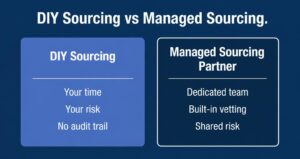
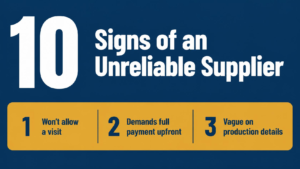
This is exactly the gap our Supply Focused Methodology is built to close for businesses that don’t have the internal headcount to run a full risk function themselves. Backup suppliers get the same scrutiny as primary ones — the same process covered in our guides to vetting a new manufacturer and spotting an unreliable supplier — engaged under our usual transparent, fee-based model.
Frequently Asked Questions
What’s the single most effective way to reduce supply chain risk?
Mapping your supply chain beyond Tier 1. Most businesses only monitor direct suppliers, which means a shared Tier 3 dependency can undo diversification efforts without anyone noticing until it fails.
Do I need expensive software to reduce supply chain risk?
Not to get started. The highest-impact steps — multi-tier mapping, vetted backup suppliers, scheduled reviews — are process changes, not technology purchases. Software becomes worth it once the process is already working and needs to scale.
How often should a mid-size manufacturer review its supply chain risk?
Quarterly is a realistic minimum given how quickly tariffs, regulations, and supplier financial positions can shift in 2026 — an annual review is usually too infrequent to catch problems early.
Should every product line be diversified to reduce risk?
No. Full diversification across every line rarely makes sense for a lean team. Prioritise components with high tariff exposure, few alternative sources, or long lead times, and diversify those first.
Is a backup supplier still useful if it hasn’t been formally vetted?
Not really — an unvetted backup carries the same risks as an unvetted primary supplier. It only functions as genuine risk reduction once it’s been through the same due diligence.
Talk to Us About Reducing Your Supply Chain Risk
If you want help building a supply chain risk plan that’s proportionate to your team’s size, get in touch and we’ll help you prioritise the handful of things that would actually matter if they went wrong.